 EN
EN  TR
TR 
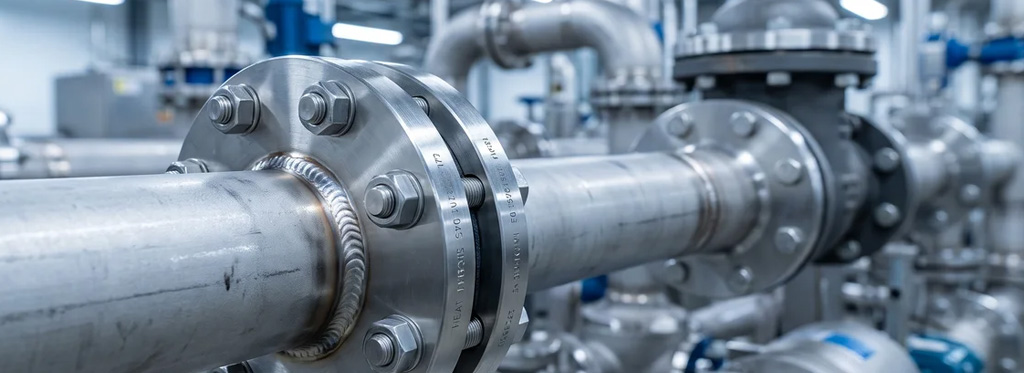
In industrial piping systems, a safe connection is not achieved only by purchasing the right product. The flange material grade, pressure class, installation method, gasket selection, and operating environment directly affect the performance of the connection. Especially in low and medium-pressure piping systems, commonly used flat flangeprovides a long-lasting and reliable connection solution when used under the correct operating conditions.
However, incorrect product selection or improper installation can lead to issues such as fluid leakage, connection loosening, corrosion, and the need for unplanned maintenance. Therefore, when evaluating the performance of flat flanges, not only the diameter measurement but all components that make up the system should be considered together.
Material Quality and Manufacturing Features
One of the key factors determining the durability of flat flanges is the material used in production. Carbon steel, stainless steel, and different alloys are selected according to the operating temperature, pressure, and chemical properties of the transported fluid.
In addition to the mechanical strength of the material, surface quality and dimensional tolerances are also important. Cracks, irregularities, or manufacturing defects on the flange surface can prevent the pressure from being distributed evenly across the gasket surface. This situation may lead to loss of leak-tightness over time.
Correct Determination of the Pressure Class
Each flat flange is designed for a specific operating pressure. Pressure classes such as PN 6, PN 10, PN 16, and PN 40 should be selected according to the system conditions in which the product will be used. However, operating temperature must also be considered when evaluating the pressure class. Because the allowable pressure values of materials may change as the temperature increases.
The following system data should be evaluated together for the correct product selection:
- Maximum operating pressure
- Minimum and maximum operating temperature
- Pipe diameter and wall thickness
- Properties of the transported fluid
- Sudden pressure changes that may occur in the piping system
Gasket Selection and Flange Surface
The primary component that provides leak-tightness in a flat flange connection is the gasket. The gasket material must be suitable for the fluid type, temperature, pressure, and flange surface structure. An unsuitable gasket selection may cause leakage within a short period, even if the connection appears to be problem-free at the initial stage.
Flange surfaces must be clean, smooth, and parallel to each other. Rust, oil, welding splashes, or old gasket residues can disrupt surface contact. Checking the contact surfaces before installation is a simple but effective practice that improves flat flange performance.
Bolt Tightening Sequence and Installation Quality
Insufficient tightening of bolts can result in inadequate gasket pressure, while excessive tightening may cause gasket crushing or flange deformation. Therefore, the tightening torque specified by the manufacturer’s recommendations and project values should be applied.
Why Is the Cross Tightening Method Important?
Tightening bolts in a single direction sequentially can cause uneven load distribution on the flange surface. The cross tightening method helps distribute pressure on the gasket more evenly. Performing the tightening process in several stages improves the connection quality.
| Inspection Point | Effect on Performance |
|---|---|
| Correct Bolt Size | Ensures the safe transfer of connection load. |
| Proper Tightening Torque | Balances gasket pressure. |
| Cross Tightening | Improves load distribution on the flange surface. |
| Parallel Alignment | Reduces stress and leakage risks. |
Alignment, Pipe Loads, and Vibration
Using flange bolts to force pipe alignment is not a correct practice. Incorrect alignment can create continuous mechanical stress on the flat flange. Pipe weight, thermal expansion, vibration, and equipment movements can also impose additional loads on the connection.
Especially in connections near pumps, compressors, and moving equipment, vibration control should be carried out. The use of proper pipe supports and expansion joints helps reduce the loads transferred to the flange connection.
Corrosion and Operating Environment
Humidity, chemical vapors, salty environments, and corrosive fluids can cause corrosion on the flange surface. Selecting the material according to the operating environment and applying protective coatings when necessary extends the service life. During periodic inspections, signs of corrosion, loosening, deformation, and leakage should be carefully examined.
How Does Regular Maintenance Affect Performance?
Flat flange connections should undergo visual and technical inspections at regular intervals. Early detection of leakage signs around the gasket, bolt loosening, and surface deterioration can help prevent more serious failures.
Do you think the most common issue encountered in piping systems is incorrect gasket selection or installation errors? You can share your field experiences in the comments. When the correct standard, suitable material, and controlled installation are evaluated together, flat flanges create safe and long-lasting connections in piping systems.